


Habit-Stopping Appliances in Pediatric Dentistry: How They Help Protect Growing Smiles
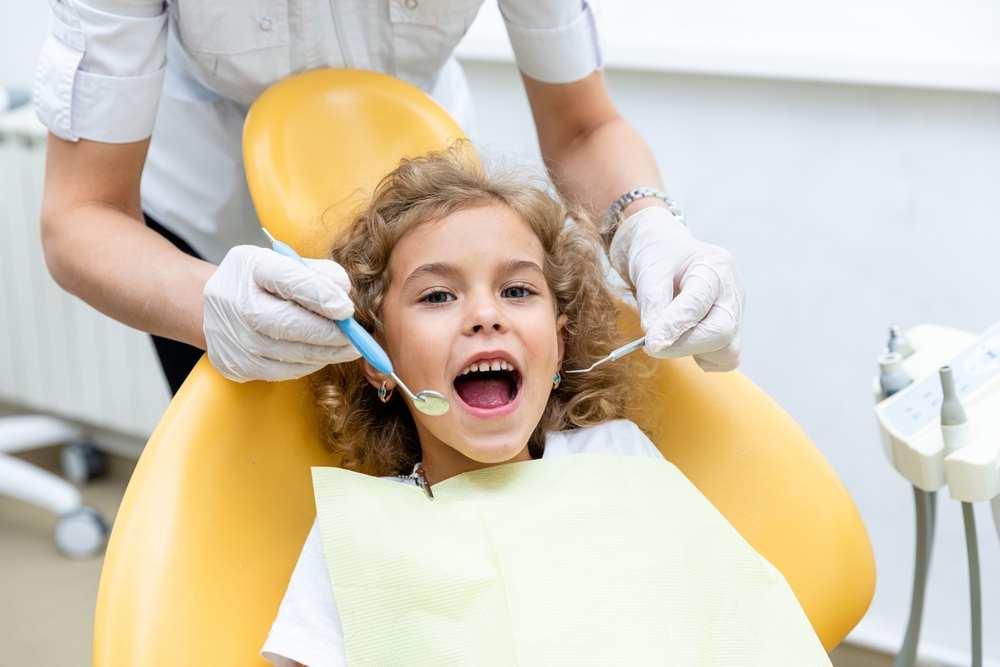
For some oral habits are common in early childhood, but when they continue for too long, they can affect how a child’s teeth and jaws develop. Thumb sucking, prolonged pacifier use, and tongue thrusting may place repeated pressure on the mouth and lead to bite or alignment concerns over time. Habit-stopping appliances can help guide healthy development while supporting a growing smile.
Why Certain Oral Habits Become a Concern
Many children naturally outgrow sucking habits on their own. However, when these habits continue as permanent teeth begin to come in, they may contribute to changes in the shape of the palate, the position of the front teeth, and overall bite function. This can make early intervention important, especially when parents notice changes in speech, tooth spacing, or jaw development.
What Is a Habit-Stopping Appliance?
A habit-stopping appliance is a custom dental device designed to discourage habits that may interfere with healthy oral development. These appliances are typically placed by a pediatric dentist and fitted to the child’s mouth for comfort and effectiveness. Rather than relying only on reminders at home, the appliance provides steady support that helps children break the habit more consistently.
How These Appliances Help Protect Growing Smiles
Habit-stopping appliances work by reducing the comfort or ability to continue the habit. This can be especially helpful for children who want to stop but have trouble doing so on their own. By interrupting the repeated motion or pressure, the appliance helps protect the position of developing teeth and supports better oral growth.
This type of treatment is often part of a larger effort to prevent future orthodontic or bite-related issues. Addressing the habit early may reduce the risk of more complex dental concerns later.
Signs a Child May Benefit From Treatment
Parents may not always know when a habit has started to affect oral development. A pediatric dental visit can help identify whether monitoring or treatment is the right next step.
- Front teeth that begin to push forward
- Difficulty stopping thumb sucking or pacifier use
- Changes in bite alignment
- Speech changes linked to tongue position
- Concerns about jaw or palate development
What to Expect During Treatment
Treatment begins with an evaluation of the child’s teeth, bite, and oral habits. If a habit-stopping appliance is recommended, the pediatric dentist will explain how it works, how long it may be needed, and what to expect during the adjustment period. Most children adapt quickly with reassurance and support.
Regular follow-up visits are important so the dentist can monitor progress and make sure the appliance is doing its job. Parents also play an important role by encouraging positive behavior and celebrating progress at home.
Personalized Pediatric Dentistry in Bozeman
Every child develops differently, so the right timing for treatment can vary. A pediatric dentist can determine whether a habit is still age-appropriate or whether it is beginning to affect the smile in ways that should be addressed. Early guidance can help families make informed decisions and protect long-term oral health without unnecessary delay.
Schedule a dental exam at Children's Dental Health Center, P.C. to learn if a habit-stopping appliance is right for your child. Visit our office in Bozeman, Montana, or call (406) 586-8112 to schedule a consultation today.

Services
Learn More
Keep
In Touch
Contact Info
3502 Laramie Drive, Suite 1 Bozeman, MT 59718
GET DIRECTIONSContact Number
(406) 586-8112Office Hours
- Monday:8:30AM-1PM & 2:15PM-5PM
- Tuesday:8:30AM-1PM & 2:15PM-5PM
- Wednesday:8:30AM-1PM & 2:15PM-5PM
- Thursday:8:30AM-1PM & 2:15PM-5PM
- Friday:Closed
- Saturday:Closed
- Sunday:Closed
Get In Touch
© 2025 Children's Dental Health Center, P.C All rights Reserved - Accessibility Statement - Privacy Policy - Sitemap
Powered by: 